
Live Pulse
🔥 BREAKING: DeepSeek open-sources R1 reasoning weights with verifiable inference scripts
AIDEKHO MAG
Write Post
← Back to Feed
Home / Robotics / Humanoids in the Factory: Inside the 2026 Industrial Deployments of Figure 02 and Optimus
Robotics Published Oct 24, 2026

Humanoids in the Factory: Inside the 2026 Industrial Deployments of Figure 02 and Optimus

Vision-Language-Action (VLA) models have moved physical robotics from rigid hard-coded trajectories to real-time generalizable manipulation in automotive manufacturing plants.

Kenji Takahashi

Kenji Takahashi

Robotics Research Director

⏱ 6 min read
Humanoids in the Factory: Inside the 2026 Industrial Deployments of Figure 02 and Optimus

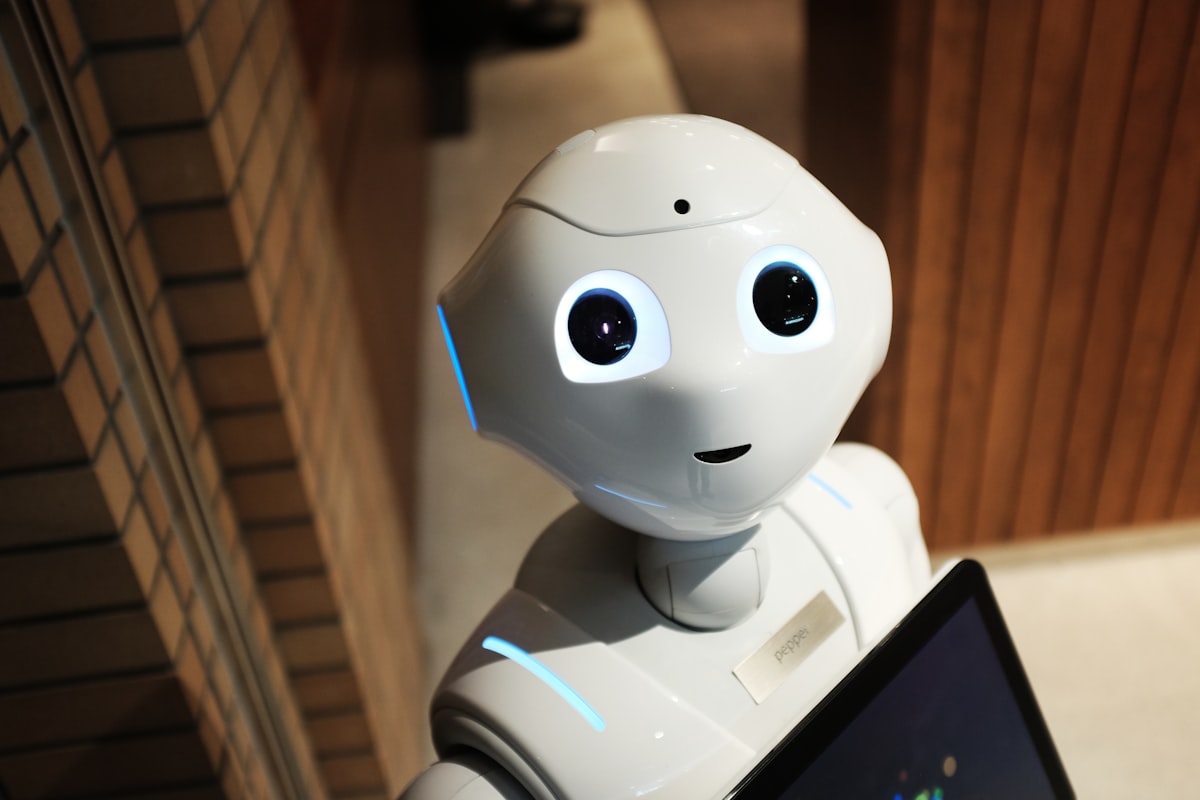
Advanced bipedal robotic actuators and vision sensors in an automated assembly environment.

✦ Key Takeaways & Executive Summary
  • Automotive assembly lines in Germany and North America have integrated over 2,000 humanoid units for sub-assembly material transport.
  • VLA architectures fuse multimodal tokenizers with continuous motor torque control at 200Hz refresh rates.
  • Battery longevity and dexterity wear-and-tear remain the critical bottlenecks prior to consumer home viability.

From Tech Demonstrations to Assembly Line Shifts

For decades, robotics was defined by massive yellow industrial arms bolted firmly to concrete factory floors, executing rigid pre-programmed kinematic routines. A single unexpected variation of 2 millimeters in workpiece orientation would stall an entire production line.

In 2026, the transition toward general-purpose bipedal humanoids reached commercial inflection. Deployment data from automotive giants like BMW, Mercedes-Benz, and Tesla demonstrates that vision-language-action (VLA) networks allow robots to adapt to dynamic environments with human-like dexterity.

The Software Brain: End-to-End VLA Architectures

The breakthrough enabling these machines is not merely mechanical; it is the convergence of high-parameter visual transformers with imitation learning and sim-to-real physics simulators. By training policies inside millions of simulated photorealistic environments (such as Nvidia Isaac Lab), robots develop intuitive spatial reasoning.

Share:

Community Discussion (0)

Leave an insight or analysis

Be the first to share your perspective on this dispatch!

Related Dispatches You Might Like